Throwback to my post from 13 days ago, when I was down almost $7k and publicly made a statement that I was going to turn things around and become more profitable than ever. Today, I actually am. I managed to successfully navigate the current kangaroo market and make some solid gains. I guess we really shouldn’t give up, especially during the hard times. Still a long way to go, but we’re back. 📈
Previous Investment: Sold 0.390309 shares of $LRCX at $302.50 per share for a loss of $31.93. New Investment: Added $268.07 worth of $ONDS at $9.39 per share of which $150 is new capital. Ondas is an emerging defense-tech company focused on autonomous drones, counter-drone systems, robotics, and mission-critical wireless networks. Its platforms are designed to provide persistent intelligence, surveillance, and security across defense, public safety, and critical infrastructure. With technologies like the autonomous Optimus drone and Iron Drone Raider counter-UAS system, Ondas is positioning itself at the intersection of AI, robotics, and modern defense. Month 2/121 Completed 👍x2read more
The dangerous ones usually don’t look like bad money decisions. They look normal. Waiting until you make more money to invest. Financing the nicer car because you can “afford the payment.” Letting every raise slowly become a more expensive lifestyle. And some of these mistakes can cost you hundreds of thousands of dollars over your lifetime. For example, someone who starts investing just $100/month at 22 can end up with significantly more money than someone who waits until 32 and invests twice as much every month. That’s how expensive “I’ll start later” can be. And that’s only one of the seven habits I break down in this video. If you’re in your 20s and trying to build wealth, I’d make sure you’re not accidentally doing the other six. What the full video here here: https://linktwin.co/MntWly #moneytips #personalfinance #financialliteracyread more
I’m turning 23 in August and have a 107k net worth with 94k invested. Currently I work at a fine-dining restaurant and investing $2000/month. Investing in mostly S&P and Nasdaq and most of my stock picks are up 50-150%. I'm planning of becoming a fire fighting so I'll have to factor in tutition for that. And working on side projects to build independence via person brand with instagram or youtube. My second option is going to school for something in finance. I don't like corporate lifestyle, but I have a passion for learning about economics and finance. I'd say I have a decent base understanding of the topic. I have many older friends who have been in the industry and or is an active trader. Everything I know I learned myself via youtube, reading and asking. I often find myself feeling behind and seeing my peers graduate from post secondary. However, I remember who I am and what it took to get to the position I'm in and every setback will become a major comeback. My dream is to travel the world and have my portfolio cover my expenses. Best, Martino read more
I’m sure most people that are active on this app are either very disciplined financially or have the desire to be. I’m curious, what did the journey of getting there look like for you? Was it taught to you from a young age by your parents or in school? Did you burn yourself one too many times and become sick and tired of the suffering and decide enough was enough? For my wife and I it was pretty bad, about 3 years ago we were around -50k net worth with practically no emergency fund or assets aside from two vehicles, and I just woke up one day completely tired and decided I would do whatever it took to make a change for us. Best thing I’ve ever committed to!!read more
I get a 5% RRSP match through my union, so there’s money going into a group RRSP every paycheque. The fund menu is whatever the plan offers, I don’t get to pick individual ETFs in there. Separately I have a self directed TFSA where I hold four ETFs at weights I chose myself. I’ve been treating them as two separate things, but I’m starting to think that’s wrong. If the group RRSP is sitting in some balanced fund with bonds in it and my TFSA is 100 percent equity, then my actual overall allocation isn’t what I think it is. So do you look at your total across every account and set one allocation, then fill each account with whatever fits best? Or do you let each account do its own thing? Asking because the group RRSP options are limited. If I’m coordinating them I’d want the constrained account holding whatever it’s least bad at, and the TFSA doing the rest.
When we think of the US market, we think of high tech. The Canadian market, major banks and energy. The French market, luxury goods. The Swiss market, pharmaceutical and financial giants. The Australian market, natural resources. Here is the historical average annual return of the indices for these countries (data since 1975, calculated in local currency): United States (Wilshire 5000 Total Market): ~10.5% Australia (All Ordinaries Index): ~10.4% Canada (S&P/TSX Composite Index): ~9.5% Switzerland (Swiss Performance Index): ~9.1% France (CAC All-Tradable / ex-SBF 250): ~8.8% Although these countries have very different economies and sector specializations, their stock markets have historically offered returns in a comparable range, between 8% and 11% per year. One might think that the US market would crush the competition thanks to its global market share and tech giants. Yet, the overall return gap remains moderate in the long run. We often rack our brains trying to find the right company, the right sector, or the perfect country. In reality, gaining exposure to developed countries allows you to capture a solid return without having to predict the future winner. The past is no guarantee of the future, but if the trend holds, exposure to developed markets offers a very satisfying long-term return. What do you think? Francais États-Unis vs le reste du Monde Lorsqu'on pense au marché américain, on pense à la haute technologie. Au marché canadien, aux grandes banques et à l'énergie. Au marché français, aux produits de luxe. Au marché suisse, aux géants de la pharmacie et de la finance. Au marché australien, aux ressources naturelles. Voici le rendement moyen annuel historique des indices de ces pays (données depuis 1975, calculées en monnaie locale) : États-Unis (Wilshire 5000 Total Market) : ~10,5 % Australie (indice All Ordinaries) : ~10,4 % Canada (indice composé S&P/TSX) : ~9,5 % Suisse (Swiss Performance Index) : ~9,1 % France (CAC All-Tradable / ex-SBF 250) : ~8,8 % Bien que ces pays bénéficient des économies et des spécialisations sectorielles très différentes, leurs marchés boursiers offrent historiquement des rendements dans une fourchette comparable, entre 8 % et 11 % par an. On pourrait croire que le marché américain écraserait la concurrence grâce à sa part mondiale et ses géants de la technologie. Pourtant, l’écart de rendement global reste modéré à long terme. On se casse souvent la tête à chercher la bonne entreprise, le bon secteur ou le pays parfait. En réalité, s'exposer aux pays développés permet de capter un rendement solide sans avoir à prédire le futur gagnant. Le passé n'est pas garant de l'avenir, mais si la tendance se maintient, s'exposer aux marchés développés offre un rendement très satisfaisant à long terme. Quest ce que tu en pense ? read more
If you don’t pay the full interest amount, interest is applied to the entire purchase price—not just the outstanding balance after your payment. Those promotional payment plans (like “don’t pay for six months” or “zero percent interest for one year”) work this way: if you haven’t paid off the full amount by the end of the promotional period, interest is retroactively applied to the entire original price from the day you made the purchase not just for the balance you owe.
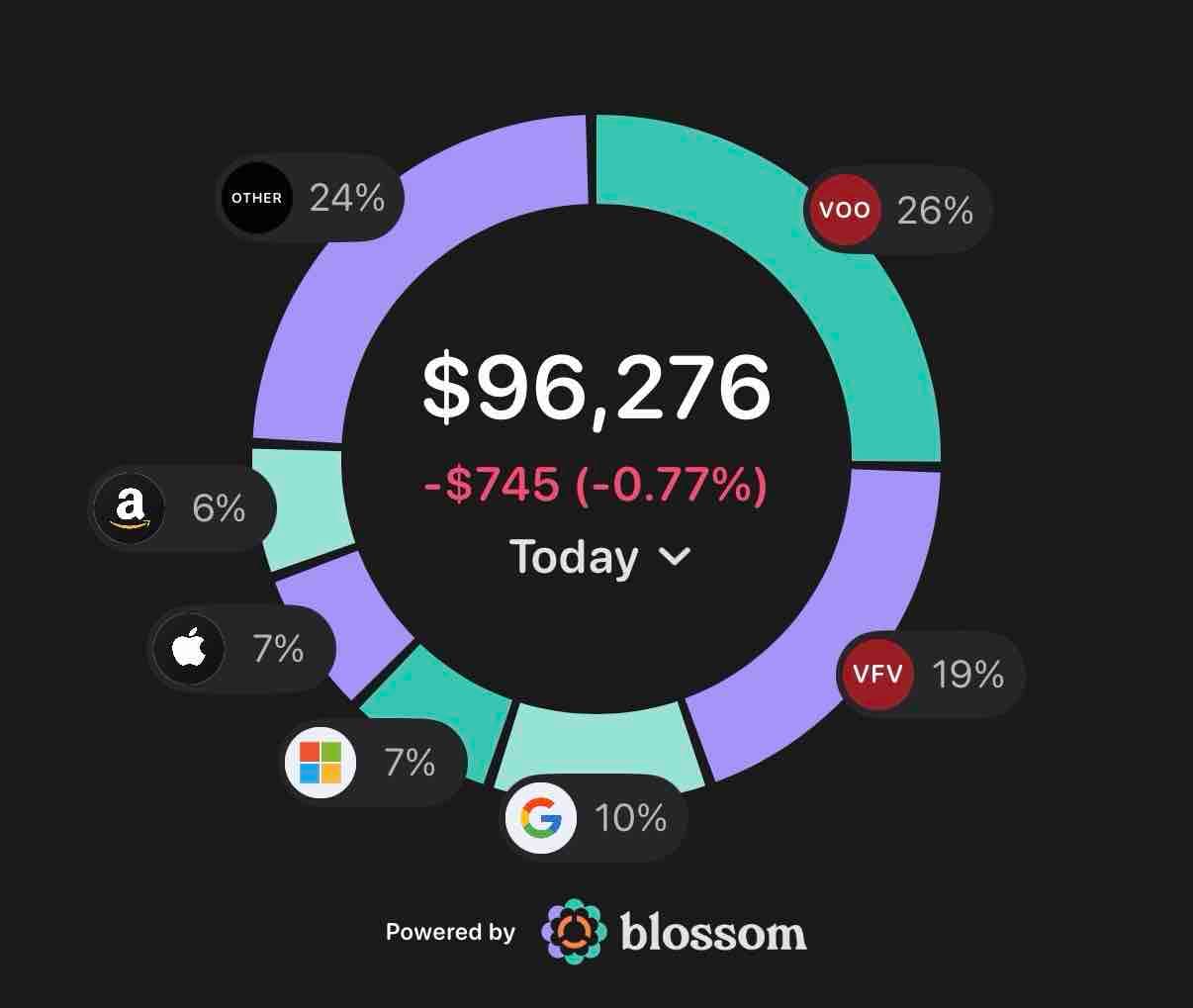
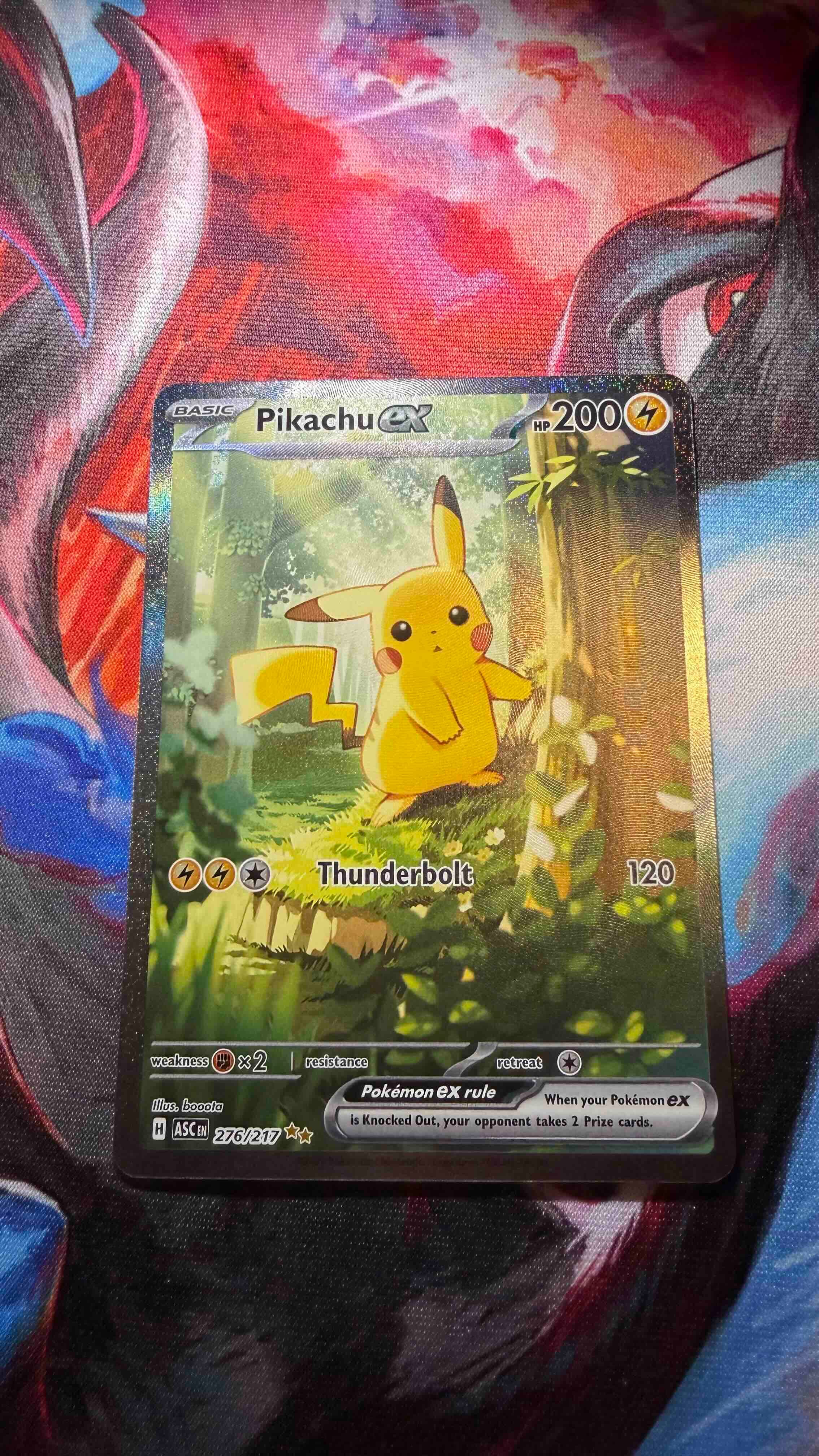
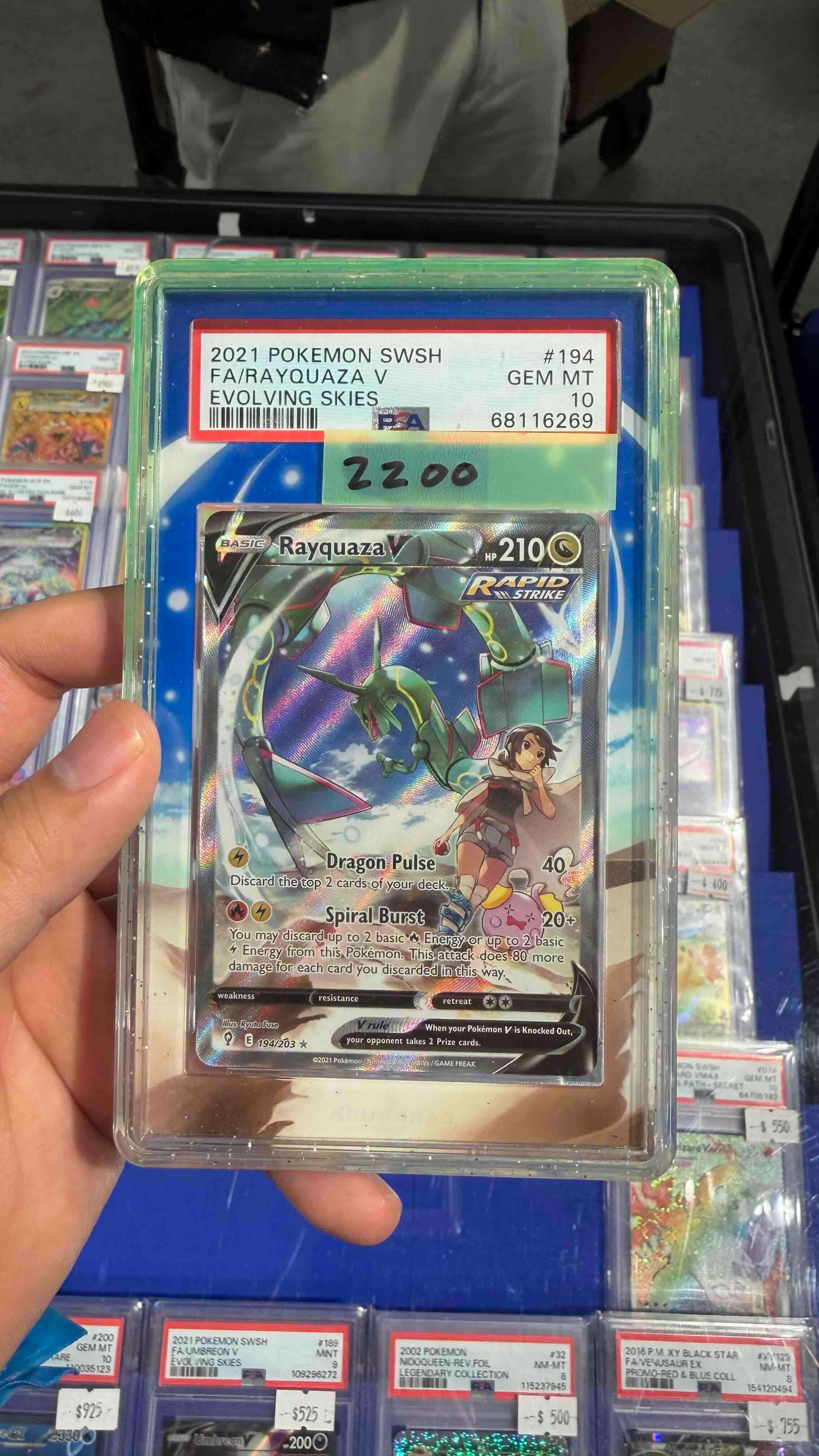
Currently at $96,276 Let’s talk about some non typical investments of mine that you probably don’t see on Blossom too often. For me that’s Pokémon cards. My collection is worth roughly 5% of my overall net worth. A lot of you are probably wondering how some cardboard can be worth so much. While I won’t get into that rabbit hole in this post, a big factor is simply supply and demand. I grew up watching Pokemon so this was a hobby that also combined my passion for investing. Would I recommend pouring all your hard earned money into this? Definitely not. Although for me and my risk tolerance it just made sense. Did you know? Over 20 years, Pokemon cards have surged over 3,260%. Happy hump day everyone!read more
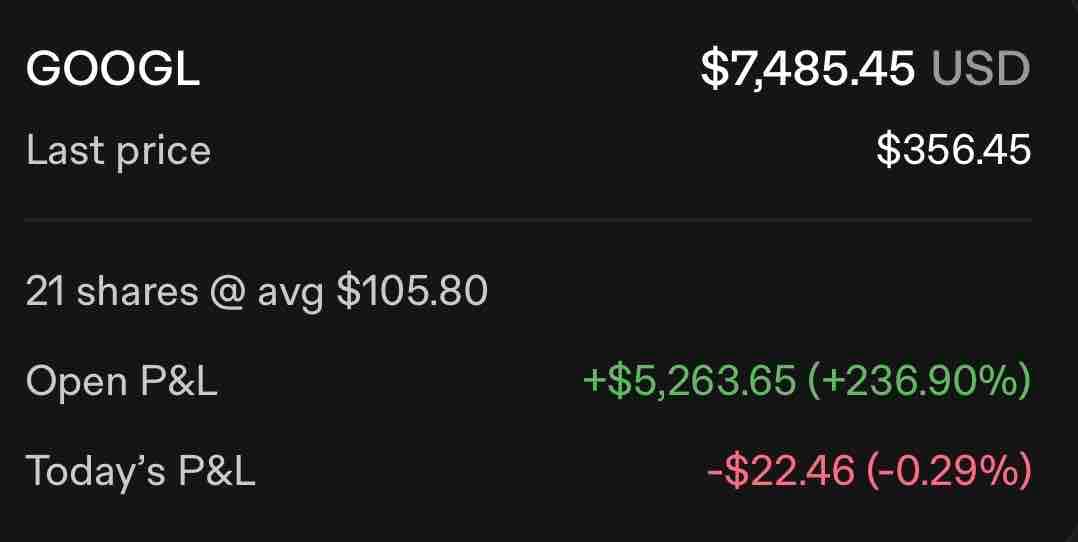
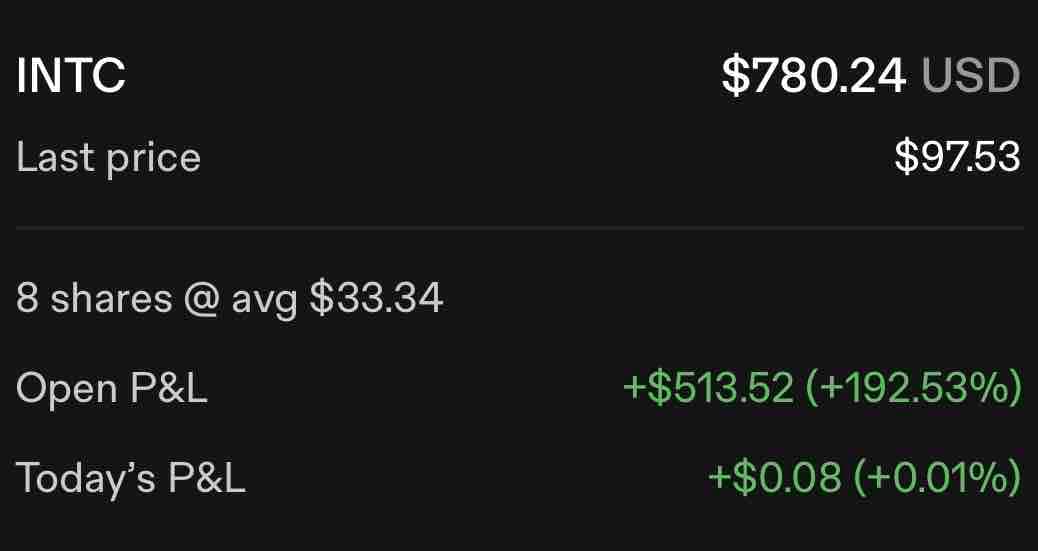
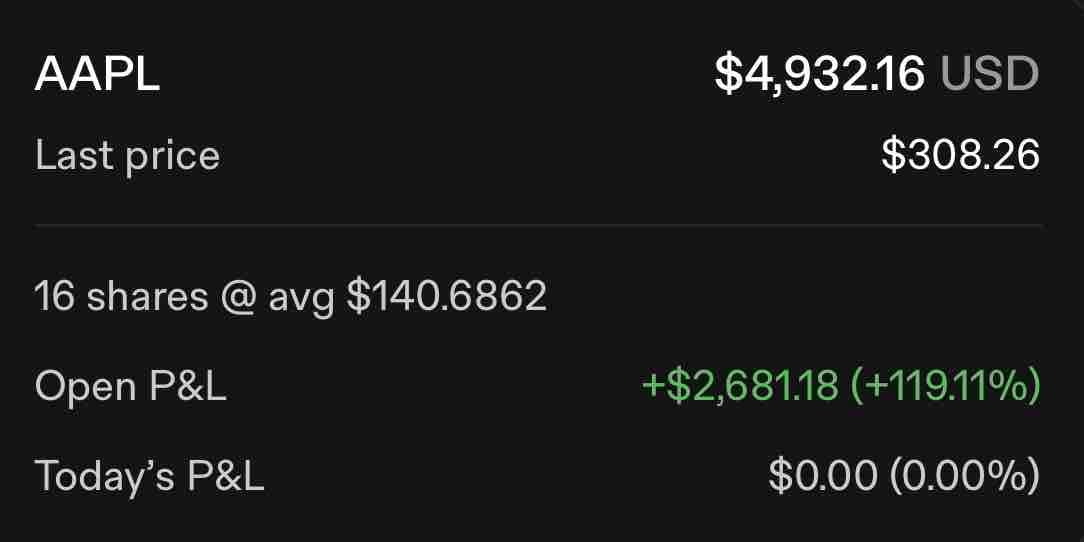
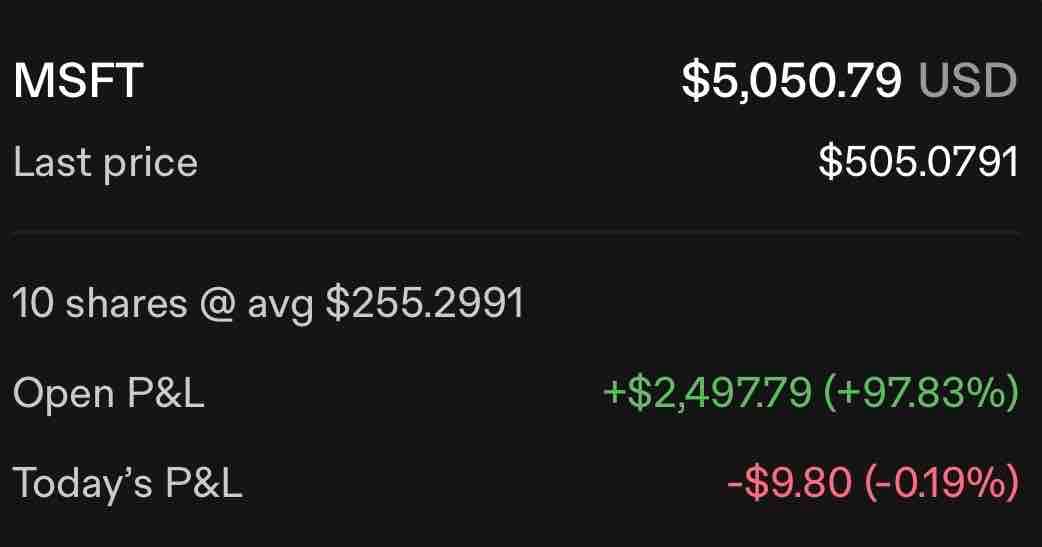
Currently at $97,081. I’ve always been a big advocate for ETFs, but I also love picking individual stocks. It keeps me interested in the market every day, and it’s genuinely something I enjoy about investing. Let’s talk about some of my best-performing stocks: $GOOGL: Up 236%. I can confidently say this is my best-performing stock in both percentage and dollar value. I bought this early in my investing journey, and it was a no brainer long-term hold for me. $INTC: Bought in about a year ago and was lucky enough to catch that huge pump recently. $AAPL: To this day, I still think Androids are superior to iPhones. Despite that, seeing how loyal Apple's customer base is and how well they keep people locked into their ecosystem made me realize they must be doing something right. $MSFT: By now, you can probably tell I love tech. Microsoft was another early purchase of mine that I plan on holding forever. See you tomorrow! read more
We covered everything from retirement withdrawals and portfolio tracking to XEQT, leverage, margin, portfolio lines of credit, the Smith Manoeuvre, and covered-call ETFs in Episode 15 of Financial KarMoe. 🎙️ Some of the questions led us down some pretty deep investing rabbit holes — and we learned a lot along the way too! 💡 Some of the biggest questions we tackle: • Is the traditional 4% retirement rule still the best approach? • Should retirement withdrawals be fixed, or should they adapt to market conditions? • How much of a safety cushion should you leave in your portfolio? • Is tracking your net worth every month actually useful? • If you already own a globally diversified ETF like XEQT, do you really need a more complicated strategy? • What's the difference between margin, a Portfolio Line of Credit and the Smith Manoeuvre? • Is leverage a smart way to increase your investment exposure — or an unnecessary risk? • Should you use distributions from ETFs to pay the interest on borrowed money? • Are high-yield or covered-call ETFs actually "safer" than a globally diversified index ETF? • How important is maintaining a clean paper trail when borrowing to invest? This episode is ultimately about one thing: learning together and challenging our own investing assumptions. 🙏 A huge thank you to everyone in the Blossom community who submitted questions and continues to make Financial KarMoe a community-driven conversation. https://youtu.be/JVzufiQIKn8?si=FKfkv1gW6-BHY9ky read more
Bill Ackman and I have some very similar stock picks. $AMZN $UBER $BN Three companies I’m extremely bullish on long term, and three major positions in Pershing Square’s portfolio. When one of the best investors in the world keeps landing on the same businesses I own… I must be doing something right. read more
Just my long term portfolio only which is 37.58% of my entire portfolio. Last week i trimmed my nvda shares from 57 to 40. Plan on adding more nokia soon j been working on my swing trades.
It is easy to forget how it feels to unplug yourself from the Matrix. It’s a perspective you only really gain once you've completely removed yourself from your day to day reality. I just got back from a 10 day road trip to the East Coast. Our camping destination was Fundy National Park in NB. Camping, with no hydro, and no cell service 🏕️. Hot dogs, marshmallows, and snacks galore 🌭. The no cell service was the best part by far. The Moms were literally going nuts being unable to post to their socials, or see other people's posts. They’d sometimes get a notification for something they couldn't actually see 😂. I literally lost track of time. I didn't know what time we woke up. I didn't know what time it was at night sitting by the campfire. I felt very relaxed, and now I feel reset. In hindsight, it was much needed. It made me realize how closely I follow markets, the macro economy, and even social media like Blossom. The past year in particular has been a rollercoaster ride that is constantly hijacking our attention. Camping itself can be a challenge. Actually, it's always a challenge lol. Even the preparation is a lot of work. Especially with a 2 and a 4 year old. But it's the kind of experience that is totally worth it. The memory dividends alone cannot be assigned a dollar value!! I've come back to lots of great posts on Blossom to catch up on. Lots of food for thought. I have so many ideas for new posts, I’ve had a lot of time to think about things. But that's for later, we need to unpack and repack for stage 2 of our almost 3 week summer vacation. To tie this to personal finance: the truck, our family vehicle, continues to pay dividends. It makes these kinds of trips so much more feasible. We did a road trip last year to PEI also. Road tripping in safety and comfort, with an excessive amount of storage for activities and luxuries. “Glamping” as they say. Yesterday, we drove almost 1200 kilometers to get home in one shot. Cheers everyone 🍻 Hope you are making the most of the Canadian summer! read more
My dishwasher rack broke last week and with tax-free weekend coming up, my first thought was: guess I’m buying a new dishwasher. About $500. Then I thought, I’m definitely not going without a dishwasher, but do I actually need a new one? I ordered the replacement parts and spent about an hour figuring it out with some help from AI. Dishwasher fixed. That hour of my time saved me roughly $500. Instead of spending it on a replacement, I now have $500 that can be invested. That’s really what I want Finding Funds to be about — the small choices where a little extra time or effort can create more room to invest, without going without. How do you find extra money to invest without feeling like you’re sacrificing?read more
I was reading Kars (@karyungtom ) post on returns, and it finally dawned on me that I think I calculate the % return on my portfolio each year differently than how others do it. How do you do it? Choice A: Return on my portfolio only includes a calculation on the stocks that I trade. Does NOT include cash, GICs, bonds, gold/silver, or any other investment meant to hold value and is not shown in your trading apps. Choice B: Returns calculation includes all assets not shown in your trading app. I perform Option B (minus properties, which I do not consider investments). Which are you?read more
I'm wondering which would be the best option to invest in gold? Is it.. 1. Physical gold on Wealthsimple: Seems as a good option, however, now, it costs 1% fee while processing the order. But in future, you can redeem for the physical gold from non-registered accounts. 2. Low cost ETFs: While the ETFs can be traded at nominal/very low expense ratios, seems the best option to invest in the price of the gold like $CGL or $MNT. Also, please share any other options which are suitable which I'm missing on. Do share your ideas/opinions. As increase of the World central banks buying more gold and reducing the amount of US treasury, gold might prove as a good hedge against inflation as United States dollar keep weakening/losing the value from inflationary printing. $XAU read more
I’ve been working since last Monday and my first day off is finally this Friday. One of my favourite things about being self-employed in Canada is being able to work as much as I want without being capped on hours. Also got a message today from one of my girls who recommended me to a club closer to home — they want me to come in for an interview 👀 Hopefully it works out because I wouldn’t mind not commuting downtown every day. Got my paycheque today too, so whatever I make tonight + $180 more is going straight into $XEQT 📈
If you’re in Canada and thinking about using Wealthsimple’s Portfolio Line of Credit (PLOC), the key question isn’t “What has the highest return?” but “What can I hold without panicking if markets drop while I owe money?” Wealthsimple’s docs say you can borrow up to 35% of your investment value, at around prime ± 0.5% (roughly 3.95–4.95% recently), and your limit moves with the market. If your collateral falls too far, they can sell positions to restore the account. That’s why “safe” here really means low volatility, not “popular ETF.” 👉Where $XEQT Fits 📈 • XEQT is a globally diversified, all‑equity ETF with a medium risk rating and MER around 0.20%. • It’s safer than betting on a handful of single stocks, but BlackRock and multiple reviews are clear: it holds no bonds, can decline sharply, and is designed for long‑term growth, not short‑term stability. So: ✔ Great for 10–20+ years of unleveraged investing. ✖ Not great as the main asset backing a loan you might need to repay during a downturn. 💸Safer Options If You’re Borrowing 🛡 If you actually draw on a PLOC and want to keep risk low, safer categories are: 1. Cash-like / HISA ETFs • Aim to track cash or very short‑term deposits. • Price movement is minimal; the main risk is interest rate changes on yields. • Example tickers: Canadian HISA ETFs such as $CASH or $PSA. 2. Short-term bond ETFs • Hold government and high‑quality corporate bonds with near‑term maturities. • Less sensitive to rate changes than long bonds, and much less volatile than stocks. • Example: short‑term bond ETFs like $VSB 3. Balanced ETFs (stocks + bonds) • If you still want growth, a 40/60 or 60/40 balanced ETF is materially calmer than 100% equities. • These mix stocks with bonds, reducing drawdowns compared to all‑equity funds like $XEQT or $VEQT. Core idea: the more stocks you hold, the bumpier the ride. When debt is involved, that bumpiness can trigger margin calls at the worst possible time. 😃Simple PLOC Rules ✅ If you’re borrowing against a portfolio: • Keep your loan‑to‑value low. If Wealthsimple allows 35%, staying closer to 10–20% gives you more cushion. • Match the risk of the asset to the risk of the debt. The shorter and more certain your need, the more cash‑like your investment should be. • Avoid using a PLOC to chase hot themes or speculative names. Leverage magnifies both gains and losses. Bottom Line $XEQT is safer than picking random stocks, but it is still a stock fund first, safety net second. When there’s debt on the table, safety means lower‑volatility assets: cash‑like ETFs (CASH, PSA), short‑term bonds (VSB), or conservative balanced ETFs. The goal with a portfolio line of credit is simple: Don’t let your investments and your loan punch you in the face at the same time. 💥 read more
2019 - 2025 comparison of my personal spending grand totals to see how my actual cost of living increases stacked up against official government of Canada metrics: Official BofC CPI baseline (2019-2025) approximately 19.9% cumulative, 3.1% annualized CAGR. My personal cost: 78.78% cumulative; 10.17% annualized CAGR. Purchasing power: while my 2019 dollar now holds roughly 56 cents of its original value the official value of a 2019 dollar is 83 cents. Anyone else notice a similar disconnect from their personal purchasing power and official figures? Current yield CBIL/CASH/PSA is a combined average 2.33% Current headline CPI for Canada 2.8%read more